
Leading Foundation Repair Equipment To Reinforce Your Structure
Explore essential foundation repair equipment designed to reinforce and stabilize your home's foundation efficiently.
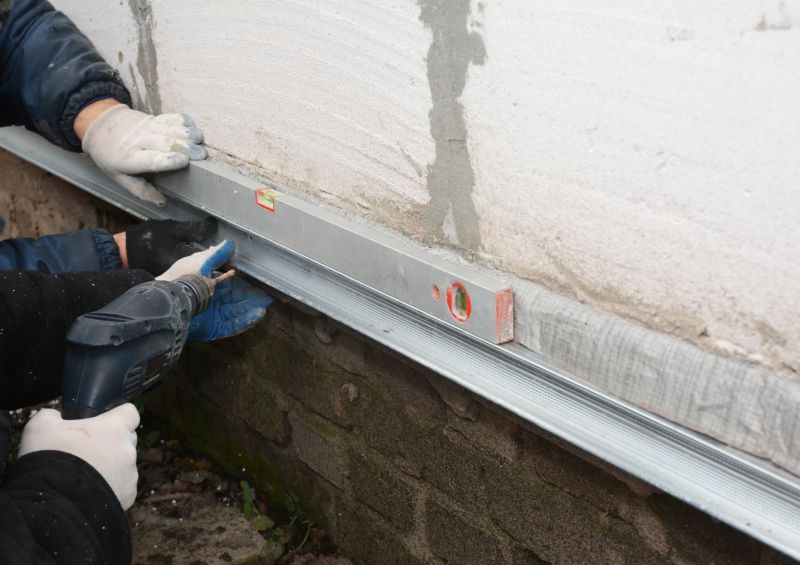 Foundation repairs are a critical aspect of maintaining the structural integrity of a building, especially in areas like Louisville, OH where soil conditions and weather patterns can impact the stability of foundations. When considering products for foundation repairs, it is important to understand the variety of solutions available, each designed to address specific issues such as settling, cracking, or shifting. These products range from simple repair kits to advanced underpinning systems, providing homeowners and contractors with options suited to different levels of repair needs.
Top Overall Option
Polyurethane Foam Injection System
Polyurethane foam injection systems are versatile for addressing foundation settling and soil stabilization. They expand upon application, filling voids and lifting the foundation with minimal disruption. These systems are valued for their quick curing time and ability to adapt to various soil conditions, making them a popular choice for many repair scenarios.
Types of Products For Foundation Repairs
Carbon Fiber Reinforcement Strips
Used to reinforce and stabilize cracked concrete and masonry, these strips add tensile strength to compromised areas.
Helical Piles and Anchors
Deep foundation support systems driven into the ground to provide stability for shifting or settling structures.
Mudjacking and Slab Jacking Kits
Injects a slurry beneath concrete slabs to lift and level uneven surfaces caused by soil settlement.
Underpinning Piers and Push Piers
Support systems installed beneath the foundation to transfer load and stabilize the structure.
Soil Stabilization Grouts
Specialized grouts used to improve soil bearing capacity and reduce shifting.
Hydraulic Lifting Jacks
Tools used to lift and level foundations during repair procedures.
Epoxy Injection Kits
Fill cracks and bond concrete surfaces to prevent further deterioration.
Polyurethane Foam Injection
Expanding foam used to fill voids and lift sinking slabs or foundations.
Drainage System Components
Systems designed to redirect water away from the foundation, reducing moisture-related issues.
Foundation Repair Braces
Support braces that reinforce walls and prevent further cracking or shifting.
Concrete Patching and Repair Products
Materials for sealing cracks and restoring the integrity of concrete surfaces.
Soil Moisture Control Devices
Equipment to manage soil moisture levels around the foundation, minimizing expansion and contraction.
Drainage Basins and Catch Basins
Components to manage surface water runoff and prevent pooling near the foundation.
Vapor Barriers and Waterproofing Membranes
Protective layers to prevent water infiltration and moisture buildup.
Foundation Settlement Monitoring Devices
Tools to track movement and detect early signs of shifting or settling.
Popular Choices
A flexible solution for filling voids and lifting foundations, suitable for various soil conditions.
Effective for stabilizing cracked basement walls and preventing further damage.
Deep support systems used to stabilize shifting foundations with minimal excavation.
Affordable method for leveling uneven concrete slabs caused by soil settlement.
Seals cracks and restores the structural integrity of concrete surfaces.
Components designed to improve water flow and reduce moisture-related foundation issues.
Reinforces basement walls to prevent bulging or collapsing.
Provides additional support to foundations experiencing settlement or shifting.
Enhances soil strength and reduces movement beneath the foundation.
Protects foundations from water infiltration and prolongs structural stability.
Helps maintain consistent soil moisture levels around the foundation.
Used to patch and restore cracked or damaged concrete surfaces.
Redirect surface water away from the foundation to prevent pooling and erosion.
Track movement and detect early signs of foundation issues.
Assist in raising and leveling foundations during repair processes.
Proper assessment of the foundation problem is essential before selecting the appropriate products. Some solutions focus on stabilizing the soil beneath the foundation, while others aim to lift or level the structure. The durability and compatibility of these products with existing building materials are vital factors to consider. It is recommended to consult with foundation specialists to determine the most effective approach, ensuring long-term stability and safety.
In Louisville, Ohio, where soil types can vary and weather conditions fluctuate, choosing products that are resilient and adaptable is crucial. Many foundation repair products are designed to be minimally invasive, reducing disruption to the property while providing effective stabilization. Regular maintenance and inspections can help identify issues early, allowing for timely intervention with suitable repair products. When selecting products, consider the specific needs of your foundation and the expertise of the repair professionals involved to achieve the best outcomes.
Key Buying Considerations
- Assess the specific foundation issue to select the most suitable product type.
- Consider the soil conditions and how they may influence product effectiveness.
- Evaluate the compatibility of repair products with existing foundation materials.
- Determine the extent of damage to decide between minor repairs and more extensive solutions.
- Look for products that offer long-term durability and stability.
- Consider the ease of installation and whether professional assistance is required.
- Review the product's ability to accommodate future movement or settling.
- Check for compatibility with waterproofing and moisture control systems.
- Prioritize solutions that minimize property disruption during installation.
- Understand the maintenance requirements of the chosen products.
- Examine the manufacturer's reputation and warranty options.
- Ensure the product meets local building codes and regulations.
- Evaluate cost versus long-term benefits for different repair options.
- Consider the environmental conditions in Louisville, OH, that may affect product performance.
- Assess the availability of replacement parts or additional components for future repairs.